Wondering what “luxury” really means in Georgetown right now, or how to approach a $1M purchase or sale with confidence? If you are moving up or preparing to list a high‑end home, you want clear price bands, what features drive value, and how timing and financing play out at the top of the market. In this guide, you will learn how local agents define luxury, what you typically get at each tier, how long it may take to buy or sell, and how to prepare your financing so you can move decisively. Let’s dive in.
Define luxury in Georgetown
Locally, a simple and useful rule of thumb is that luxury begins at about $1,000,000. You will find visible inventory and closed sales above that level across Georgetown, from custom builds to larger estate properties. This practical threshold helps buyers and sellers speak the same language.
A second, more data‑driven method defines “entry‑level luxury” as the top 10 percent of recent local sales (the 90th percentile). That percentile cutoff can shift by neighborhood and by year, which is why your agent should run a 12‑month MLS analysis for your street or subdivision before you set price targets.
For context, public indices place Georgetown’s typical home value in the low to mid $400Ks as of late January 2026. With a city median around $423,000 during that period, the $1M mark represents a distinct step up in features, setting, and buyer expectations.
Price bands and examples
- Upper‑midmarket: $600,000 to $999,000. This band often includes larger new construction and upgraded homes in master‑planned neighborhoods. You will see high‑quality finishes, generous floor plans, and well‑appointed outdoor spaces.
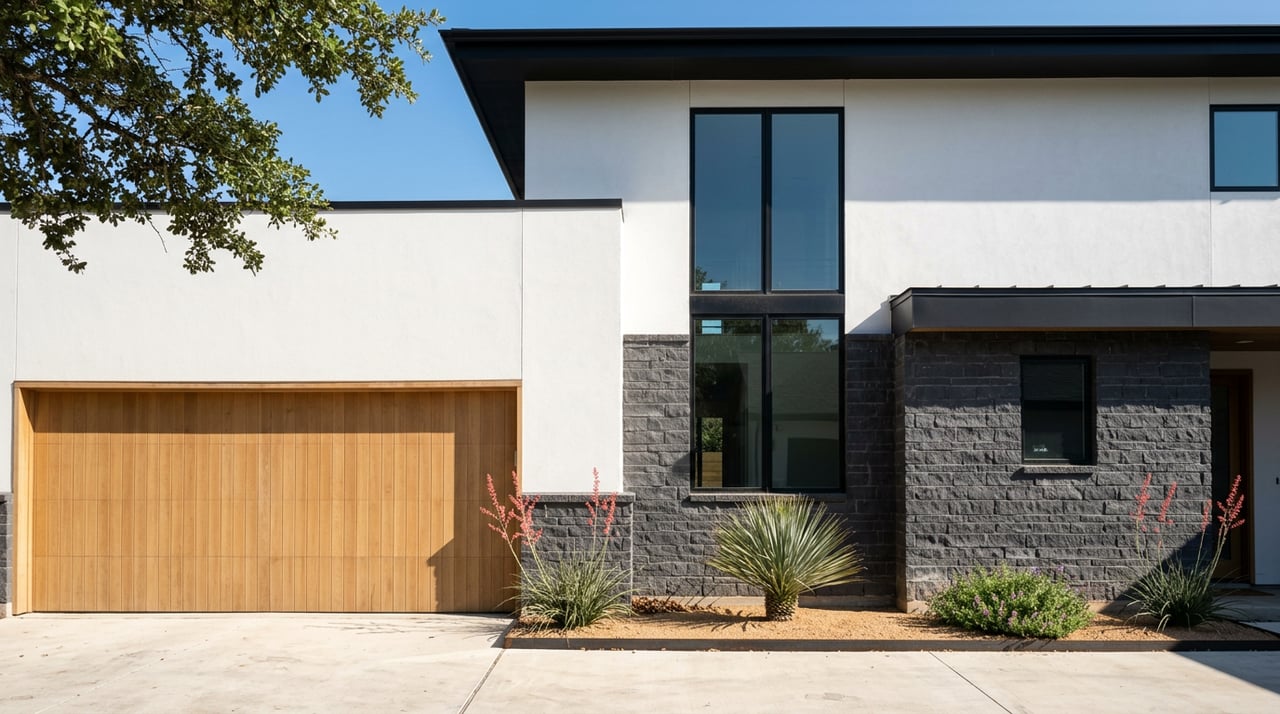
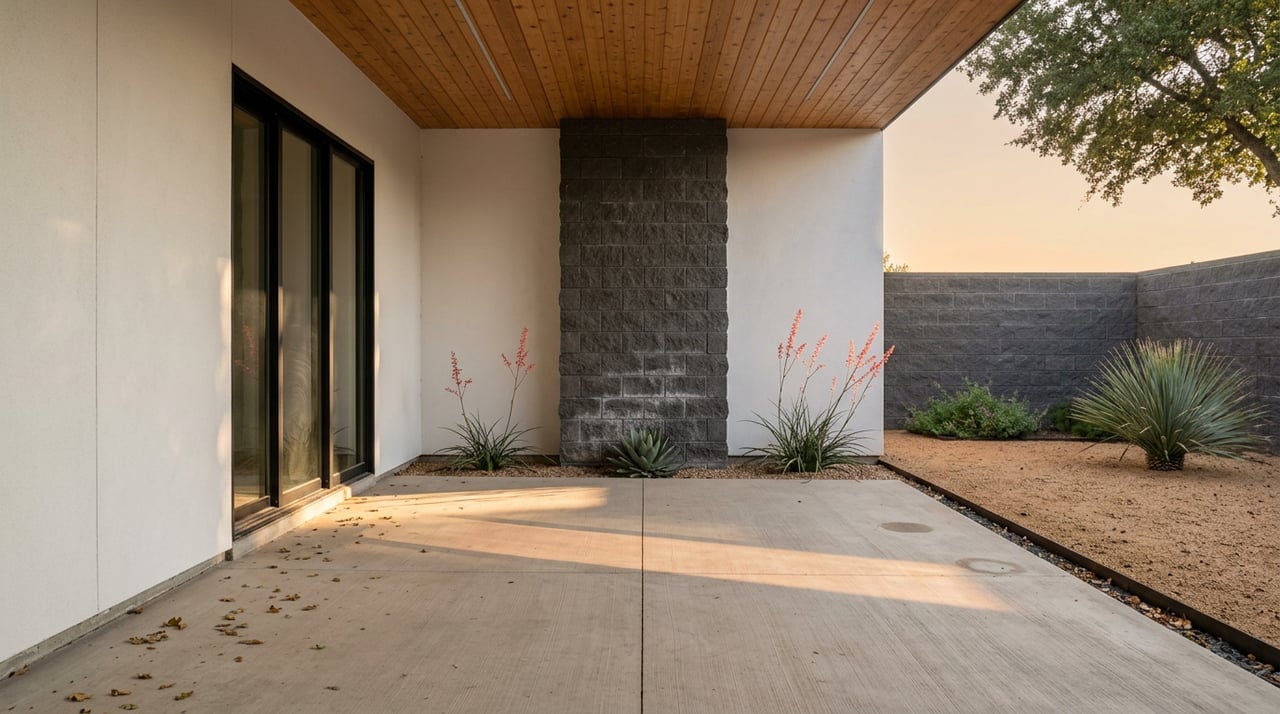
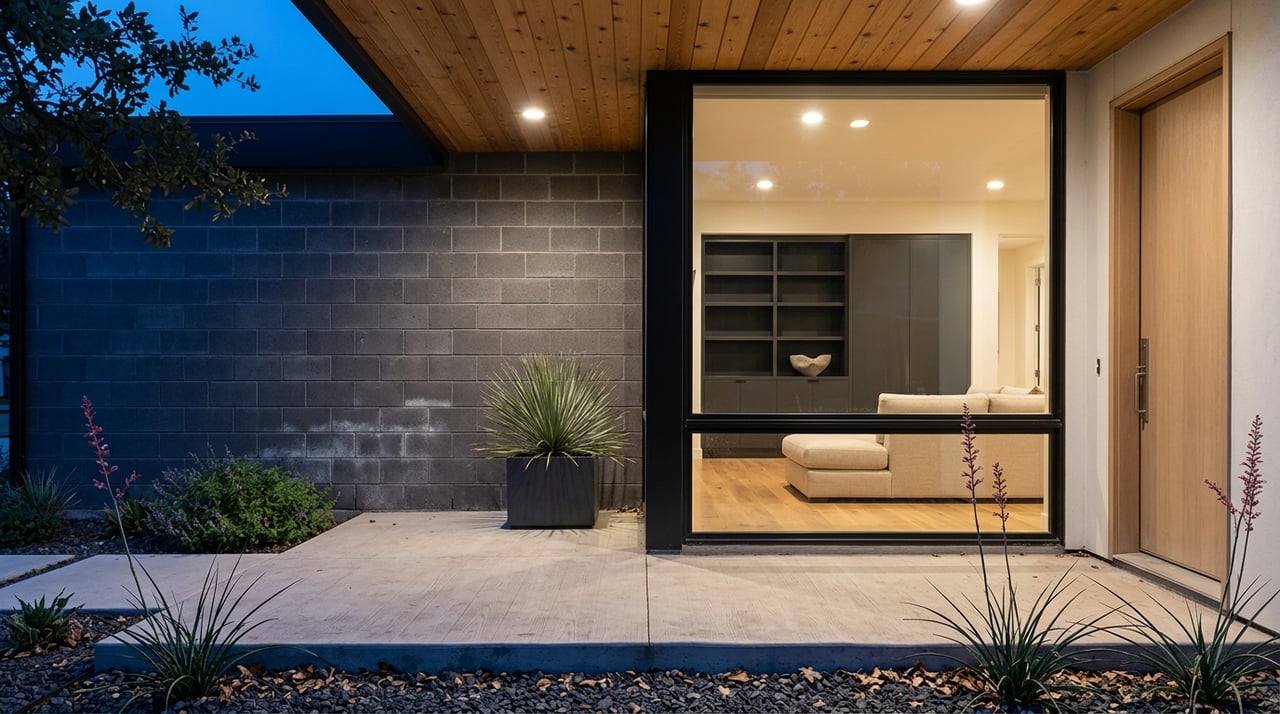
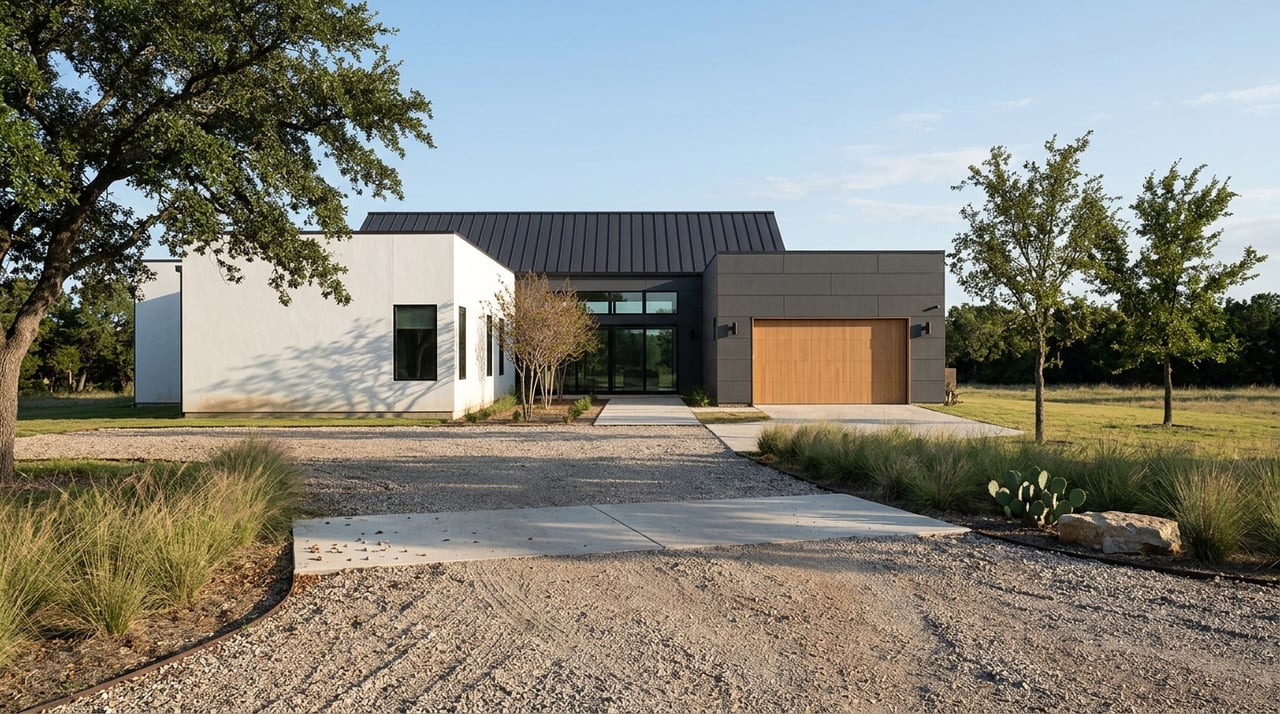
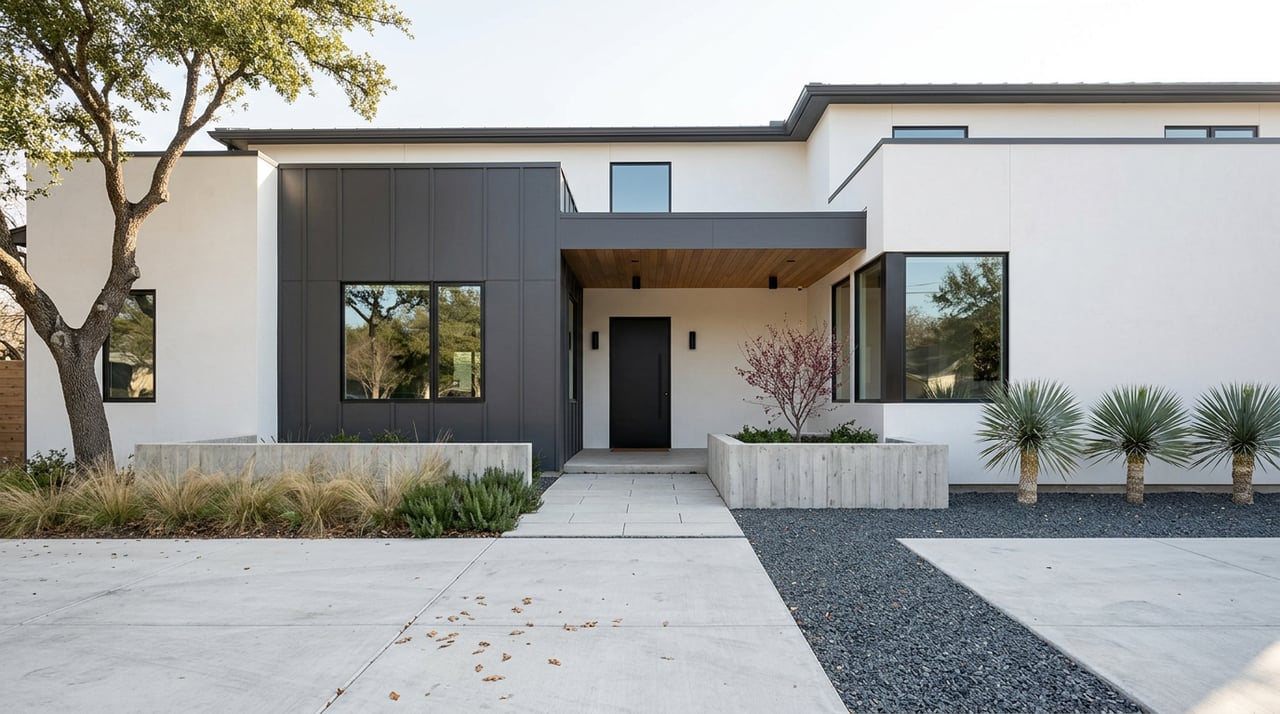
- Local luxury: $1,000,000 and up. In this tier you start to see custom builds, estate‑style single‑story plans or multi‑level homes, and properties on larger or unique lots. Recent MLS snapshots show active offerings around $1.1M, $1.4M, and multiple estates between $2M and $4M within city limits.
Acreage and rural estate options appear around and beyond the city edge. Recent examples include multi‑acre and equestrian properties in the greater Georgetown area, which helps illustrate the difference between a $650K neighborhood home and a $1.5M Hill Country estate.
What you get at each tier
Upper‑midmarket features (about $600K to $999K)
- Typical lot sizes of roughly 0.15 to 0.4 acre in newer subdivisions and master‑planned communities.
- 2,500 to 4,000 square feet is common, often with open plans, high ceilings, and flexible spaces.
- Premium but not fully bespoke finishes: upgraded kitchens, quartz or stone counters, designer lighting, and covered patios.
- Access to strong neighborhood amenities, which can support higher price points nearby. For example, master‑planned communities like Santa Rita Ranch highlight resort‑style pools, trails, and community centers that many buyers value. You can preview the amenity set on the Santa Rita Ranch site under their community features at Santa Rita Ranch amenities.
Luxury and estate features ($1M and up)
- Larger lots from about 0.5 acre to multiple acres, including gated estate lots, Hill Country settings, or lake‑area pockets with enhanced privacy.
- Larger footprints, often 3,000 to 6,000+ square feet, with custom architecture, dedicated home offices, gyms, and guest suites or ADUs.
- Outdoor living as a focal point: pool and spa, outdoor kitchen, fireplace features, and generous covered living areas.
- High‑end materials and systems: luxury appliance packages, custom cabinetry and millwork, stone or reclaimed wood accents, multicar garages, and upgraded mechanicals.
- Site‑level premiums: mature trees, views, water or creek adjacency, equestrian improvements, and proximity to golf or private services.
Market dynamics 2025 to 2026
Georgetown and Williamson County moved from the red‑hot seller conditions of 2020 to 2022 into a more balanced market in 2024 and 2025. Inventory increased, prices eased off peak levels, and average days on market lengthened. City and county medians sat in the low to mid $400Ks, with median days to contract often near or above 80 to 100 days depending on the timeframe.
In the luxury tier, buyer pools are smaller and decision timelines are longer than for entry‑level homes. The result is longer marketing windows and more room to negotiate. Many high‑end listings see early price discovery, and negotiated discounts often fall in the mid single digits, especially once a property has been on the market beyond the first few weeks. Well‑priced, turnkey estates can still attract multiple offers, but sellers should not assume the same pace or over‑ask dynamics as a $450K listing.
Buyer strategies
- Get fully prepared. If you will be above the conforming loan limit, talk with a lender early and consider pre‑underwriting so you can move quickly on a standout property.
- Use days‑on‑market as a guide. When a home has been listed longer than 2 to 4 weeks without a price change, the odds of a successful negotiation often improve.
- Watch for price‑reduction signals. Past reductions and seller notes about timeline or relocation can signal openness to terms.
- Think appraisal and comps. Custom homes can be hard to appraise. Discuss an appraisal gap plan with your lender and agent so you know your options if the value comes in short.
Seller strategies
- Price with discipline at launch. Overpricing at the start often leads to early price cuts. Ask your agent for the current 90th‑percentile cutoff for your neighborhood and a recent comp set.
- Invest in presentation. Professional staging, cinematic media, and targeted broker outreach matter in a market with longer timelines and selective buyers.
- Plan for a longer window. Luxury listings typically require more time to find the right fit. Build that into your timeline if you are also buying.
- Negotiate with strategy. Understand recent list‑to‑close behavior in your sub‑band so you can evaluate offers quickly and confidently.
Financing at $1M and above
- Mortgage rate context. As of late February 2026, national 30‑year fixed mortgage averages hovered near 6 percent. You can verify current weekly averages on the Freddie Mac Primary Mortgage Market Survey. At $1M+, a 0.25 percent swing can move your payment meaningfully, so update quotes before you write an offer.
- Conforming limit vs jumbo. The 2026 baseline conforming loan limit is $832,750 in most counties. Loans above that level are treated as jumbo and usually carry stricter underwriting and reserve requirements. See the latest limits on the FHFA conforming loan limit announcement.
- Jumbo underwriting basics. Lenders often look for stronger credit (around 700+), lower debt‑to‑income ratios, and 10 to 20 percent down or more depending on loan size and profile. A clear primer is available in Bankrate’s jumbo mortgage guide. Engage a jumbo‑experienced lender early to map documentation and reserves.
- Bridge financing if you must buy first. If you need to close on a new home before you sell your current one, a short‑term bridge loan can provide interim funds. These loans are typically interest‑only, short duration, and higher cost. Compare with a HELOC, a sale‑of‑home contingency, or carrying two mortgages if your budget allows. Learn more in Bankrate’s bridge loan overview.
- Appraisal planning. Luxury and custom properties can be challenging to appraise because of fewer true comparables. Some sellers consider a pre‑listing appraisal or a broker opinion to reduce surprises. Buyers should understand how an appraisal shortfall would be handled, from gap coverage to concessions or a larger down payment.
Quick checklist
- Ask your agent for the current 90th‑percentile price for your street or subdivision.
- Confirm whether your target price will require jumbo financing and, if so, secure pre‑underwriting.
- Model your payment with today’s 30‑year rate, then check sensitivity to a 0.25 to 0.5 percent change.
- If you need equity for the next purchase, discuss bridge and HELOC options early.
- For sellers, align launch price with recent luxury list‑to‑close behavior to avoid early reductions.
- For buyers, use days‑on‑market and price reductions to time and structure offers.
The bottom line
Luxury in Georgetown starts at about $1M, but the cleanest definition is the top 10 percent of recent local sales. The $600K to $999K band delivers generous space and strong neighborhood amenities, while $1M+ brings custom architecture, larger lots, and estate‑level outdoor living. The market has cooled from pandemic peaks, so expect longer timelines and more negotiation in the luxury tier, and plan your financing and appraisal strategy before you act.
If you want a neighborhood‑specific luxury cutoff, a pricing plan for your home, or a clear path to a jumbo purchase, we are here to help. Connect with Black White Real Estate to get your instant home valuation and a data‑driven strategy tailored to your goals.
FAQs
What price defines luxury in Georgetown in 2026?
- Most local agents use $1,000,000 as a practical starting point, while a data‑driven cutoff is the 90th percentile of recent neighborhood sales.
How long do Georgetown luxury homes take to sell?
- Expect longer timelines than entry‑level homes, often measured in months, with the pace influenced by pricing, presentation, and uniqueness.
What is the 2026 conforming loan limit in Williamson County?
- The baseline conforming limit is $832,750, so many $1M+ purchases use jumbo financing with stricter underwriting.
How much should I budget for a jumbo down payment?
- Many jumbo lenders look for 10 to 20 percent down, stronger credit around 700 or higher, and additional cash reserves.
Are bidding wars common above $1M in Georgetown?
- They can occur on turnkey, well‑priced estates, but many luxury sales involve price discovery and negotiated discounts in the mid single digits.
What features add the most value to a Georgetown luxury home?
- Larger lots, outdoor living with pool and kitchen, custom kitchens, guest suites, and privacy or views often command premium pricing.